Rathyatra Celebration 2026, Asia Pacific
30+ centres across Asia Pacific • 20+ cities and communities • Multi-generational participation
BAPS centres across Australia, New Zealand, Fiji and Papua New Guinea came together to celebrate Rathyatra during July 2026.
The celebrations were held from 4 to 26 July across numerous communities throughout the Asia Pacific region, including Adelaide, Albury, Atwell, Auckland, Ba, Ballarat, Brisbane, Brisbane North, Canberra, Christchurch, Darwin, Dunedin, Gatton, Geelong, Griffith, Hamilton, Hobart, Launceston, Melbourne, Melbourne East, Melbourne South, Melbourne West, Napier, Perth, Shepparton, Sunshine Coast, Suva, Sydney, Toowoomba, Townsville and Wellington.
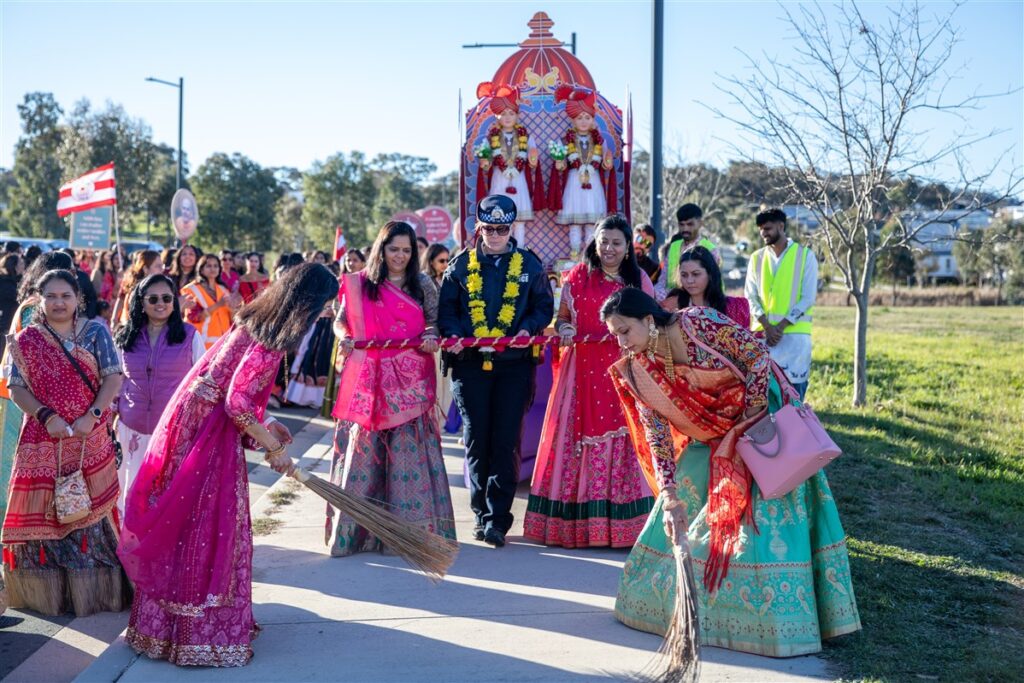
Rathyatra is a cherished Hindu tradition in which devotees celebrate Bhagwan Jagannath, Baldevji and Subhadraji through a chariot procession. The festival provides an opportunity for devotees and community members to come together in devotion while sharing the richness of Hindu culture with the wider community.
Across the various locations, devotees participated in devotional singing, traditional rituals and the pulling of the beautifully decorated rath. Families, children, youths and senior devotees joined together in the celebrations, creating an atmosphere of joy, devotion and community spirit.
The festivities also provided opportunities for the wider public to experience Hindu traditions and learn more about the significance of Rathyatra. Volunteers played an important role in preparing the rath, coordinating the processions, welcoming visitors and ensuring that the celebrations could be conducted smoothly.
Women and girls also participated enthusiastically across the various celebrations, contributing through devotional activities, cultural presentations, volunteering and family participation. Their involvement reflected the important role of women and younger generations in preserving and sharing cultural traditions within the community.
The Rathyatra celebrations across the Asia Pacific region brought together people of different ages and backgrounds in a shared expression of devotion and cultural heritage. Through collective participation and seva, the celebrations strengthened community bonds and provided a meaningful opportunity to pass Hindu traditions to the next generation.